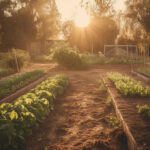
If someone asked you to describe a healthy farm, what would come to mind? For most people, it’s a picture of endless green fields and trolleys overflowing with fresh produce at harvest time. But in permaculture, the definition looks completely different — and it might change the way you think about farming forever.
The Real Sign of a Healthy Farm
A truly healthy farm isn’t measured by the size of its harvest. It’s measured by how many different species of living creatures call it home.
Conventional farming has trained us to believe that a “good” field is one with zero insects, zero pests, and nothing but a single uniform crop swaying in the wind. Permaculture flips this idea on its head. The more diverse life your land supports, the stronger and more resilient your ecosystem becomes.
Why Every Creature Has a Job
Nature doesn’t waste anything — every organism plays a specific role in keeping an ecosystem balanced. Consider how this plays out on a farm:
- Birds eat insects, keeping pest populations in check
- Snakes eat rats and rodents, and also help control bird and insect populations
- Frogs eat mosquitoes and other insects
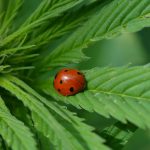
- Lizards keep insect populations under control
- Even squirrels have their place, kept in balance by the presence of snakes and birds of prey
Remove just one of these characters, and the entire system starts to unravel.
What Happens When We Break the Chain
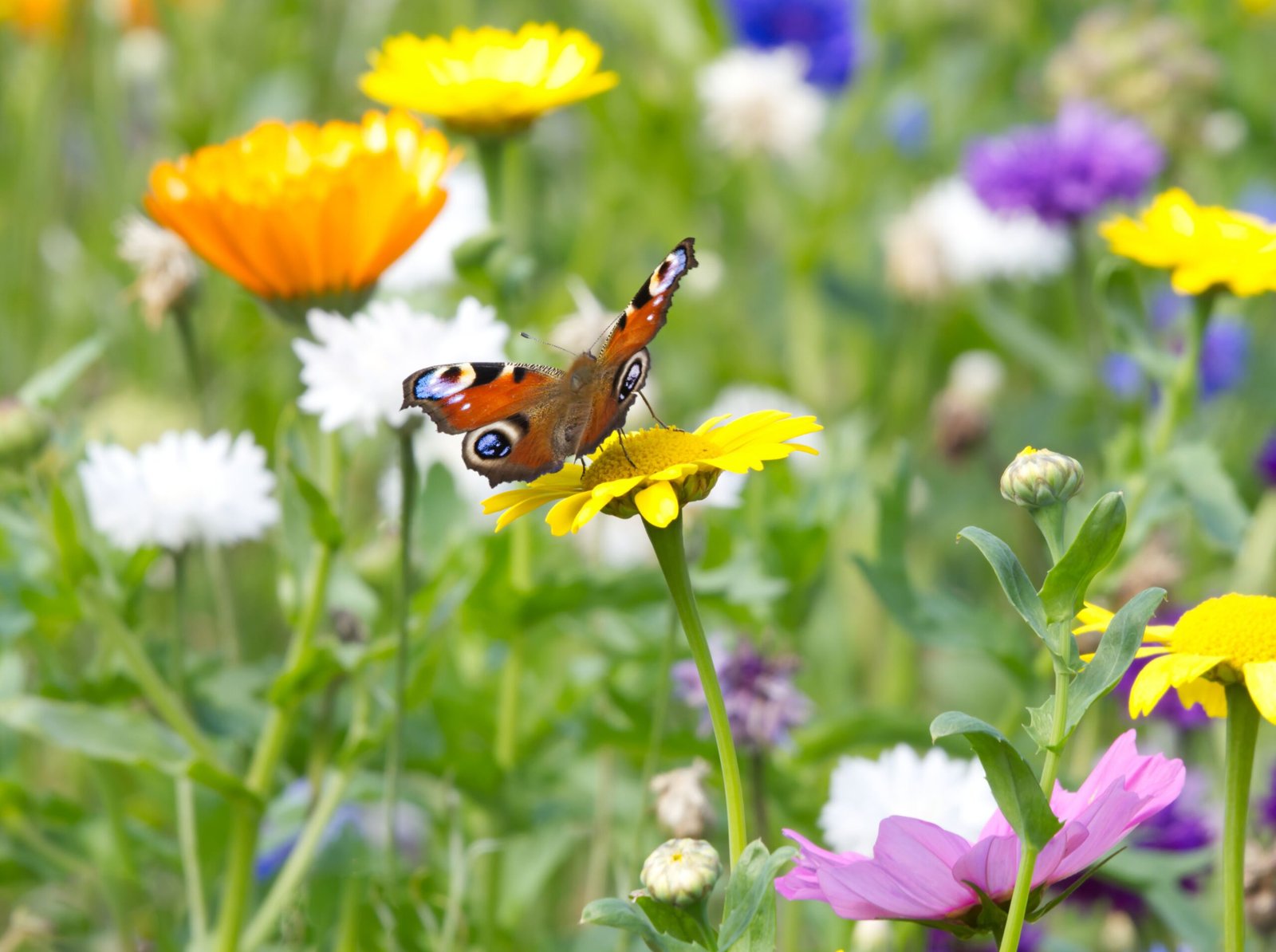
Photo by on Pexels
The same thing happens with snakes. When snake habitats are destroyed or the animals are killed off, rat populations explode. The response is usually rat poison — which kills the rats, but doesn’t stop there. That poison enters the food chain, and eventually, it affects the humans eating food grown in that environment. The harm isn’t immediate, but it accumulates over time.
This is the hidden cost of removing even a single species from an ecosystem: the balance breaks, and we end up spending money on chemicals to solve problems that biodiversity would have solved for free.
Building a Chemical-Free, Self-Balancing System
When your land supports a wide variety of species, something remarkable happens — the ecosystem starts to regulate itself. No chemicals, no pesticides, no ongoing expense. Insect problems and pest infestations become rare, because nature’s own checks and balances are doing the work.
Every new species that shows up on your land is a signal that your system is healthy and functioning as it should.
Three Practical Steps to Invite Biodiversity Back
If you want to start rebuilding this natural balance on your own land, here are three of the most important groups of creatures to focus on:
1. Bring Back the Birds
Birds only return when there are trees to host them — specifically, native trees suited to your local region. These indigenous, heritage species are the ones birds have relied on for generations. Once you start planting them, you’ll notice birds returning surprisingly quickly. And once they’re back, they’ll take care of your insect problem for you, eliminating the need for pesticides.
2. Make Room for Snakes
Always leave some space on your land for snakes — this could be an untrimmed field border, a patch of bushes you don’t clear, or a pile of stones. Snakes move through farmland at night, hunting rats and rodents. Their presence means you won’t need to rely on rat poison, protecting both your harvest and your own health.
3. Plant for Pollinators
Flowering plants attract bees and butterflies, which play a critical role in pollination. Without adequate pollinators, fruit and seed production drops significantly — and both are essential, whether you’re growing food for your table or for market. Adding flowering plants is one of the simplest ways to boost yield naturally.
Your Farm Is Also a Habitat
When wildlife chooses to live on your land, it’s telling you something important: this place has what it takes to sustain life. Water, clean air, food, safety, and a livable climate — these are the same things every living creature, including us, needs to thrive.
In other words, when you build a farm that supports diverse life, you’re not just growing crops. You’re building a habitat — one that happens to be good for you too, since humans are part of that same web of life.
The Takeaway
The next time you look out over your fields, don’t just measure success by how green and full the crop looks. Look closer. Ask yourself who else is living there alongside your plants. That’s the real measure of a thriving, resilient farm — and it’s a form of wealth no chemical company can sell you.
Start small: plant a few native trees, leave one corner of your field wild, and add some flowering plants near your crops. Then watch — and see who shows up.