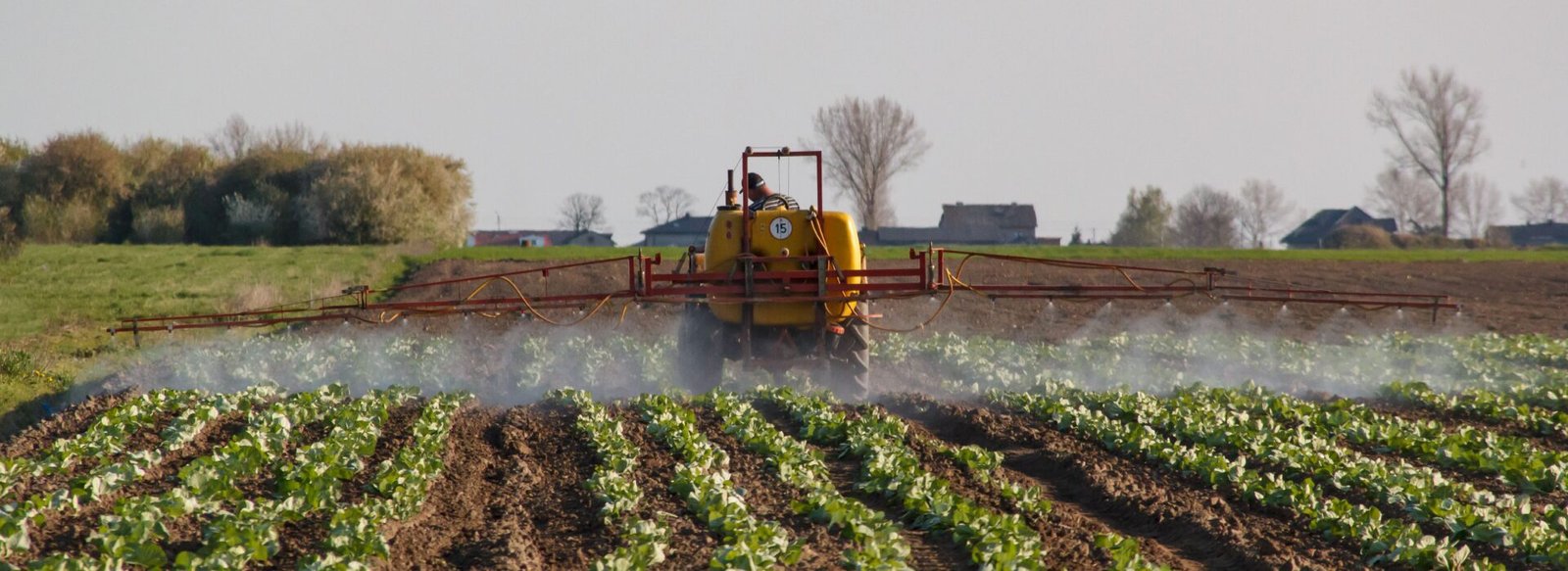
Walk into any agricultural supply store and you’ll see it: bags of urea and DAP priced far below what they actually cost to produce. To the farmer standing at the counter, it looks like a bargain. But that price tag is a piece of fiction. Someone is paying the difference — and that someone is all of us.
Who really pays
Fertilizer subsidies don’t make fertilizer cheap. They make it look cheap. The gap between the real cost and the counter price is covered by the government, and the government’s money is our money — collected through income tax, sales tax, fuel levies, and every other channel that reaches into the ordinary citizen’s pocket. In many countries, fertilizer subsidies run into billions every single year. That’s money that could have built rural schools, water infrastructure, or healthcare. Instead, it flows in one direction: toward keeping synthetic chemicals artificially affordable.
And here’s the uncomfortable part — the farmer doesn’t even capture most of that value. The subsidy is paid to manufacturers and importers. The corporations producing these chemicals receive a guaranteed customer base and a guaranteed payout, year after year, regardless of whether their product is actually good for the land or the people eating from it. It is one of the most reliable business models ever invented: sell a product the government has promised to pay for.
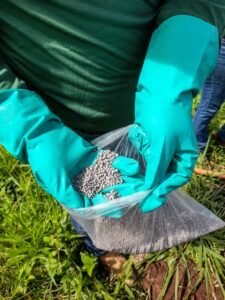
Photo by on Pexels
What the subsidy actually buys
Decades of subsidized chemical fertilizer have trained farming itself. When nitrogen is nearly free, why bother with compost, crop rotation, green manure, or livestock integration? The subsidy doesn’t just lower a price — it tilts the entire playing field against traditional and regenerative practices that build soil rather than mine it.
The results are visible in the fields. Soils pumped with synthetic nitrogen year after year lose their organic matter and microbial life. They become compacted, saline, and increasingly dependent — like an addict needing a bigger dose each season just to produce the same yield. Farmers then buy more fertilizer, the government pays more subsidy, and the cycle tightens.
Meanwhile, what lands on our plates has changed. Produce grown on depleted, chemically-force-fed soil tends to be watery, fast-grown, and nutritionally thinner than food grown in living soil. We are, in a very real sense, paying twice: once through our taxes to subsidize the chemicals, and again through our health, as we eat food that looks abundant but delivers less. Add the downstream costs — nitrate-contaminated groundwater, algae-choked rivers, emissions from fertilizer production — and the “cheap” bag of urea starts to look extraordinarily expensive.
Following the money
Ask a simple question of any subsidy: who benefits most? If the answer were “the farmer,” we would expect rising farm incomes and healthier rural economies wherever subsidies are highest. Instead, we often see farmers trapped on a chemical treadmill, input costs (even subsidized ones) climbing, and soil productivity declining — while fertilizer companies post steady profits underwritten by the public purse. The subsidy was sold as support for the farmer. In practice, it functions as a pipeline from the taxpayer to the corporation, with the farmer as the conduit and the consumer as the collateral damage.
A better use of the same money
None of this means abandoning farmers. It means redirecting support toward things that build lasting wealth instead of lasting dependence: subsidizing compost production and bio-fertilizers, paying farmers for soil health improvements, funding training in regenerative methods, and investing in local seed and organic input systems. Several regions experimenting with these approaches have found that yields hold up — and soil, water, and rural incomes improve.
The next time you hear that chemical fertilizer subsidies help the common man, follow the money. It leaves your pocket as tax, passes briefly through the farmer’s hands, settles in corporate accounts — and what comes back to you is food that’s poorer than what your grandparents ate. That’s not cheap. That’s the most expensive bargain we’ve ever been sold.