We all want to bring about change. We know the environment is degrading — the air, the water, the soil thinning a little more each year. We watch the videos, we share them, we talk about it endlessly. But talk plants nothing. At some point we have to stop discussing the problem and start doing something about it, somewhere real.
For most of us, that somewhere already exists.
Somewhere in Punjab, Sindh, UP, Haryana, or the hills of Khyber, there is land that carries our family name — land our grandfather farmed, our grandmother walked at dawn, and our parents left behind when the city called. It may be lying fallow right now, rented out for a fraction of its worth, or slowly being swallowed by weeds.
Meanwhile, you are sitting in Karachi, Lahore, Mumbai, or Delhi, paying rent on an apartment, buying vegetables from a supermarket, and wondering why life feels so disconnected.
The distance between those two facts is smaller than you think.
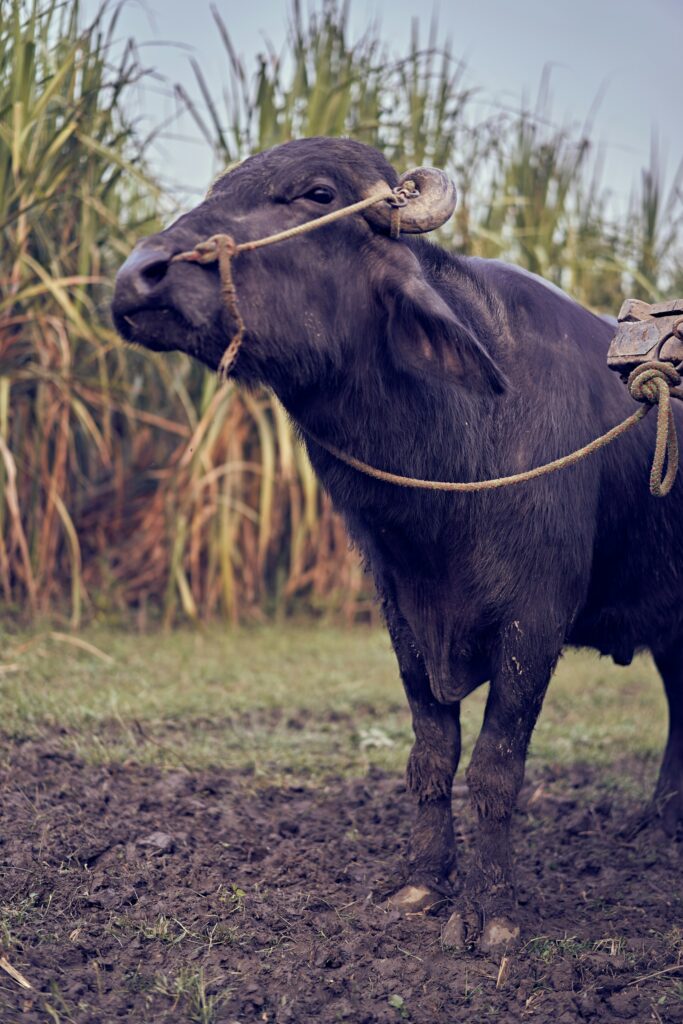
Photo by Ashwini Chaudhary(Monty) on Unsplash
You Don’t Need to Quit Your Job. You Need to Start.
The biggest myth about returning to the land is that it requires an all-or-nothing leap, selling your flat, leaving your career, and becoming a full-time farmer overnight. That is not what this is about.
What this is about is momentum. Even a single acre, activated, can change the entire conversation within a family. It signals that someone in the next generation took the land seriously. It creates a reference point, a living experiment, something people can visit, talk about, and eventually rally around.
One acre. That is roughly the size of a football pitch. It is enough to grow vegetables for a family of ten, raise a small flock of poultry, plant fruit trees that will be producing for decades, and begin building soil that gets richer every year. It is enough to prove a point.
And if you have never grown anything in your life, do not let that stop you. You do not need experience. You do not need an acre. You can begin with a few rows, a single corner of the plot, a strip of ground smaller than the floor of your apartment. The plants will teach you. The soil will teach you. What matters is not the size of the start but the fact that you start, and that you start now. Every season you wait is a season the land keeps losing, and a season your children grow further from where they came from.
What You Can Actually Do on One Acre
1. Start a Kitchen Garden with Market Potential
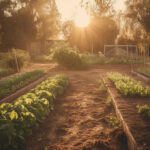
Permaculture design principles teach us to stack functions: every plant should do more than one job. On a single acre, a well-planned food forest or kitchen garden can produce tomatoes, chillies, okra, spinach, bitter gourd, and seasonal fruits in quantities that feed the family and create a small surplus for local sale. This is not subsistence farming. It is a demonstration that land can feed people again.
Start with whatever is already growing, but go in assuming the soil itself needs help. After years of conventional use, your land has most likely been saturated with chemical fertilizer, leaving it compacted, low on organic matter, and stripped of the living biology healthy plants depend on. Before you plant for the market, revive it. Rebuild the soil with methods such as green manuring, sowing fast-growing legumes like dhaincha or sunn hemp and tilling them straight back in, and microbial inoculants such as Jeevamrut, backed up by heavy compost, well-rotted farmyard manure, and thick mulch. Plant what the local market needs once the soil is ready to support it. The learning curve is real, but so is the reward.
2. Try Organic Methods from Day One
Conventional farming in South Asia has left many smallholdings dependent on expensive chemical inputs that damage soil year after year. Going organic from the start is not idealistic, it is economically smart. Organic vegetables command a premium in urban markets, and the input costs are lower once you build your soil biology.
Compost from kitchen and farm waste, green manures, and natural pest control using beneficial insects and biocontrol microbes can replace most chemical inputs within two to three seasons. The soil will keep improving rather than degrading, which means the land becomes more valuable over time, not less.
3. Explore Sustainable and Low-Cost Housing
If you plan to spend weekends or seasonal stretches on the land, you will need somewhere to stay. This is an opportunity rather than a burden. Earthen construction, compressed earth blocks, lime plaster, and bamboo structures have been used in South Asia for centuries. These materials are local, cheap, and suited to the climate. A simple one-room structure built from the land itself is both a shelter and a statement.
Many urban professionals are discovering that building a small, functional space on ancestral land is far more satisfying, and more affordable, than another city renovation project.
4. Rainwater Harvesting and Water Independence
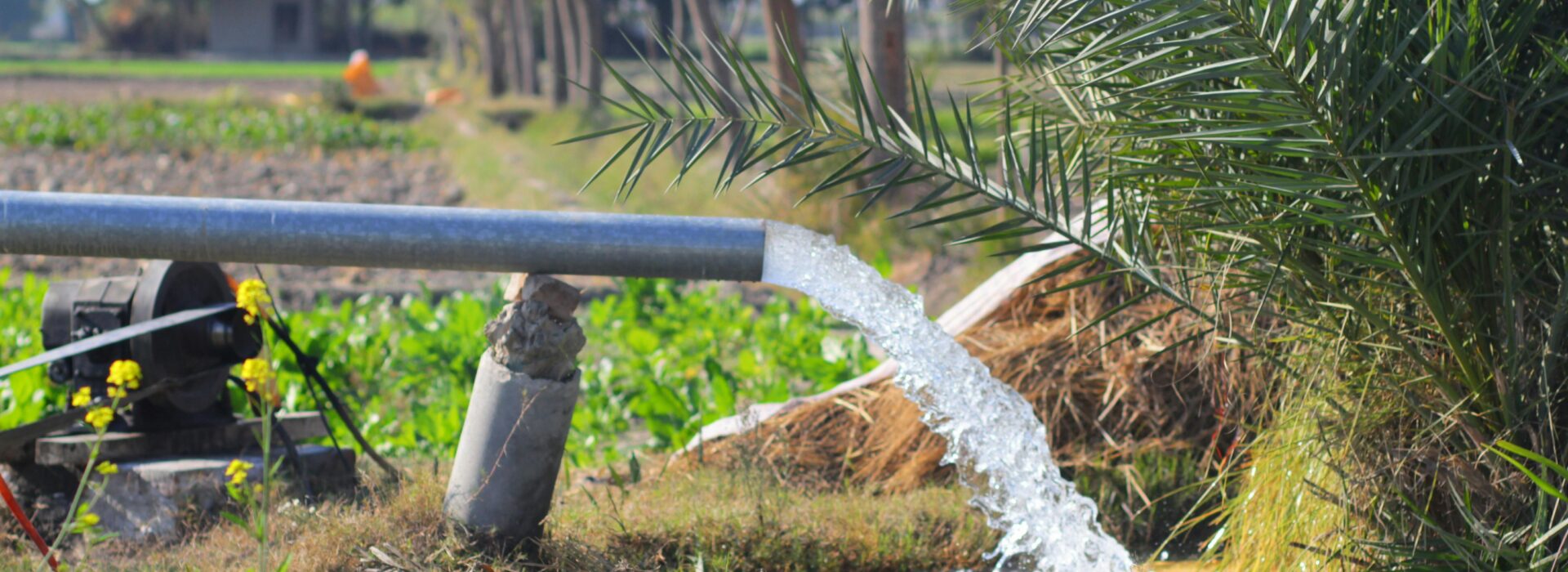
Water is the first constraint most people cite when considering rural land. But South Asia receives substantial monsoon rainfall, most of which runs off untouched. A basic farm pond, berm-and-swale system, or underground tank can capture enough water to sustain a one-acre plot through dry months.
This is not complicated engineering. It is observation: where does water flow on your land? Where does it pool? A few days of earthwork can redirect that flow into storage that lasts months. Many families who have done this report that water anxiety disappeared entirely within the first monsoon cycle.
A Living Example
This is not theory, and you do not have to imagine it. Ordinary people with no farming background have taken neglected, lifeless plots and turned them into green, tree-filled, productive land, and some have documented the whole journey so the rest of us can follow. Watch the short film below from start to finish.
Watch it with your family. Let your children see what a piece of ground can become when one person decides to care for it. That single image, green where there was once nothing, does more to pull the next generation back toward their roots than any lecture ever could. They need to come back, walk the soil, and see for themselves what it feels like to make something grow.
Why Your Family Needs You to Do This
Urban professionals from farming families occupy a unique position. You have education, networks, access to information, and enough income to absorb some initial experimentation. Your relatives still on the land may lack all of these things. They have the soil knowledge, the labor, and the proximity. Together, these add up to something powerful.
When you show up and take the land seriously, it changes the dynamic. Cousins who assumed the land was worthless start paying attention. Elders who had given up on the next generation feel seen. Younger siblings start asking questions. A one-acre project, done thoughtfully and shared openly, becomes a beacon. It says: this land has a future.
Document everything. Photograph the before and after. Share what works and what does not. Write it down. Post it online. The most valuable thing you can offer your extended family is not money, it is a working example.
Trees and Organic Soil Are the Only Way Forward
Strip away the techniques and the talk, and it comes down to two things: trees and living soil. Planting trees and farming organically is not one option among many. It is the only path that leaves the land better than we found it. Every other model borrows against the future, draining the water table, exhausting the soil, and handing our children a depleted inheritance.
Trees hold the soil, cool the air, feed the water table, and shelter everything that grows beneath them. Organic soil, alive with worms and microbes, holds water, resists drought, and grows richer with every passing year instead of poorer. Put the two together on even a small piece of ground and you have begun to repair, in your own corner, the very thing the wider region is losing.
And we are not doing this only for ourselves. We are doing it for our children. They have grown up in apartments, fed by supermarkets, with no memory of where their food or their family came from. The most lasting gift we can leave them is not a balance in a bank account, it is a living example, a patch of earth they can return to, walk through, and understand. Children who have seen land come alive grow up with a different relationship to the world. They need to come back to the roots and see what it is actually like.
Topics Worth Exploring as You Begin
These are not abstract concepts. Each one has a practical entry point you can pursue from a city, before you even set foot on the land.
- Permaculture design: Start with the free resources at the Permaculture Research Institute. Understand zones, sectors, and water harvesting before you touch the soil.
- Natural building: Look into compressed earth blocks and lime construction. Materials are available across South Asia at a fraction of the cost of brick and concrete.
- Seed saving: Connect with local seed banks or networks like the Navdanya movement in India. Starting with open-pollinated, region-adapted varieties means you will not be dependent on buying seeds every season.
- Soil biology: Understand how to feed your soil with compost, green manure, and microbial inoculants rather than depleting it with synthetics.
- Agroforestry: Intercropping trees with vegetables and crops improves yield, reduces water needs, and builds long-term asset value.
The Bigger Picture
Pakistan and India are both facing a quiet agricultural crisis. Rural-to-urban migration has left millions of acres underfarmed or dependent on aging labor. Groundwater tables are dropping. Soil quality is declining. The next generation of urban professionals from farming families is, without realizing it, sitting on the solution.
You do not need to save agriculture. You just need to save your acre. Do it well. Do it visibly. Let it speak for itself.
Here is the part that is easy to miss: none of this stays small. Plant trees and build living soil on one patch, and the water that used to run off now sinks in. Multiply that across a village, a district, a region, and the groundwater begins to rise again, the air cools, the rains return more gently, and the whole environment slowly gets better. This is not wishful thinking. It is what happens, plot by plot, when enough people stop taking and start giving back.
That is why this cannot be left to governments or to someone else. Each one of us has a role to play. Wherever you have a piece of ground, however small, create a pocket of forest on it. A few trees here, a hedge of fruit and timber there, a shaded corner that did not exist before. Thousands of these small pockets, stitched together across the land, add up to something no single project ever could.
The land your family left is not a burden from the past. It is an asset for the future. The question is whether someone will show up to unlock it.
You could be that someone. And the time to begin is now.