We are what we eat — and increasingly, what we eat is telling a story about our health, our ecosystems, and the people who grow our food. This is the case for a better way of eating, built on evidence, worldwide.
There is an old idea, common to almost every food culture on Earth, that eating is not a neutral act. It connects a body to a field, a household to a farmer, a city to the countryside that feeds it. For most of human history those connections were short and visible. Today they stretch across oceans, pass through dozens of intermediaries, and are mediated by chemistry, refrigeration, marketing and finance. The result is a food system of extraordinary abundance — and one that carries costs we are only now learning to measure.
The good news is that we know what a better path looks like: food grown without a heavy chemical load, eaten fresh and close to home, and traded fairly with the people who produce it. On every one of those fronts — health, ecology, and justice — the evidence increasingly points the same way. This article makes that case.
Part One — Eat Safe: The Health Reckoning
The headline numbers are not in dispute, and they are staggering.
Diabetes has become one of the defining chronic diseases of the century. The International Diabetes Federation’s 11th Atlas estimates that in 2024, about 589 million adults aged 20–79 were living with diabetes worldwide — roughly one in nine — and projects that figure will rise to about 853 million by 2050, a 45% increase. More than 3.4 million people died from diabetes-related causes in 2024, and the condition consumed over one trillion US dollars in health spending. Crucially, more than four in five people with diabetes now live in low- and middle-income countries, overturning the old assumption that this is a “rich world” disease.
Cancer is on a similar trajectory. The World Health Organization’s cancer agency (IARC), through its GLOBOCAN program, estimates roughly 20 million new cancer cases and close to 10 million deaths a year in the mid-2020s, projected to reach around 35 million new cases by 2050 — driven by ageing, population growth, and changing diets and lifestyles. About one in five people will develop cancer in their lifetime.
Male fertility has drawn its own alarm. A widely cited 2022 meta-analysis led by Hagai Levine and Shanna Swan pooled data from around the world and concluded that average sperm counts fell by more than 50% between roughly 1973 and 2018, with the decline appearing to accelerate after 2000 and now visible outside the West as well. The researchers point to modern environmental and lifestyle exposures — including the chemicals that saturate our food and surroundings — as a leading suspect.
What connects diabetes, several cancers, obesity and reproductive decline is not a single villain. It is a cluster of changes — more calories, less movement, and above all a shift in what we eat. And two features of the modern diet stand out: the flood of ultra-processed products, and the chemical residues that come with industrial agriculture.
The ultra-processed problem
If there is one dietary factor with robust, replicated evidence behind it, it is the rise of ultra-processed foods (UPFs): industrial formulations of refined starches, sugars, fats, additives and flavourings engineered for shelf life and palatability. A 2024 BMJ umbrella review — an analysis pooling many meta-analyses — found convincing evidence linking higher UPF intake with higher risk of cardiovascular-disease death and type 2 diabetes, and highly suggestive evidence for higher all-cause mortality, heart-disease death and depression. Other 2024 reviews reached the same conclusions for weight gain, metabolic disease and several cancers.
This points straight back to whole, real food. Diets dominated by heavily processed, calorie-dense, nutrient-poor products are a major driver of the global chronic-disease epidemic — and the antidote is the kind of fresh, whole, minimally processed produce that organic and local food systems are built to deliver.
The chemical load in our food
Alongside processing, the chemical load of industrial agriculture carries real, documented risks.
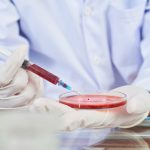
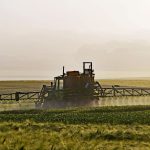
Systematic reviews consistently link chronic pesticide exposure with elevated risks of certain cancers, neurological and neurodegenerative disorders, and endocrine (hormonal) disruption — with especially clear and strong effects among the farmers, sprayers and farmworkers who handle these chemicals directly. The WHO has long estimated that acute pesticide poisoning affects millions of people a year, with the overwhelming majority of severe cases occurring in developing countries where protective equipment and training are scarce. This is a serious, under-acknowledged human crisis in its own right.
Several widely used pesticides are also recognised endocrine disruptors. DDT and its breakdown product DDE — still detectable in human blood and fat decades after DDT was restricted, because they persist in the environment — can both mimic and block sex hormones. Epidemiological and laboratory studies have associated them with breast cancer, altered reproductive development, and effects that may even reach the next generation. Studies have indeed found elevated levels of PCBs, DDE and DDT in the blood of women with breast cancer.
The link to diabetes is increasingly well studied too. A growing body of research ties persistent organic pollutants (POPs) — a family that includes certain pesticides, PCBs and dioxins — to higher type 2 diabetes risk, with some studies finding striking dose-response relationships. A number of researchers now treat environmental chemical exposure as a plausible contributing driver of the diabetes surge that lifestyle alone doesn’t fully explain.
Taken together, the message is clear: the chemicals embedded in the industrial food chain are a meaningful, avoidable contributor to chronic disease and reproductive harm. And avoiding them is exactly where organic food earns its place.
The case for organic is strong — and getting stronger
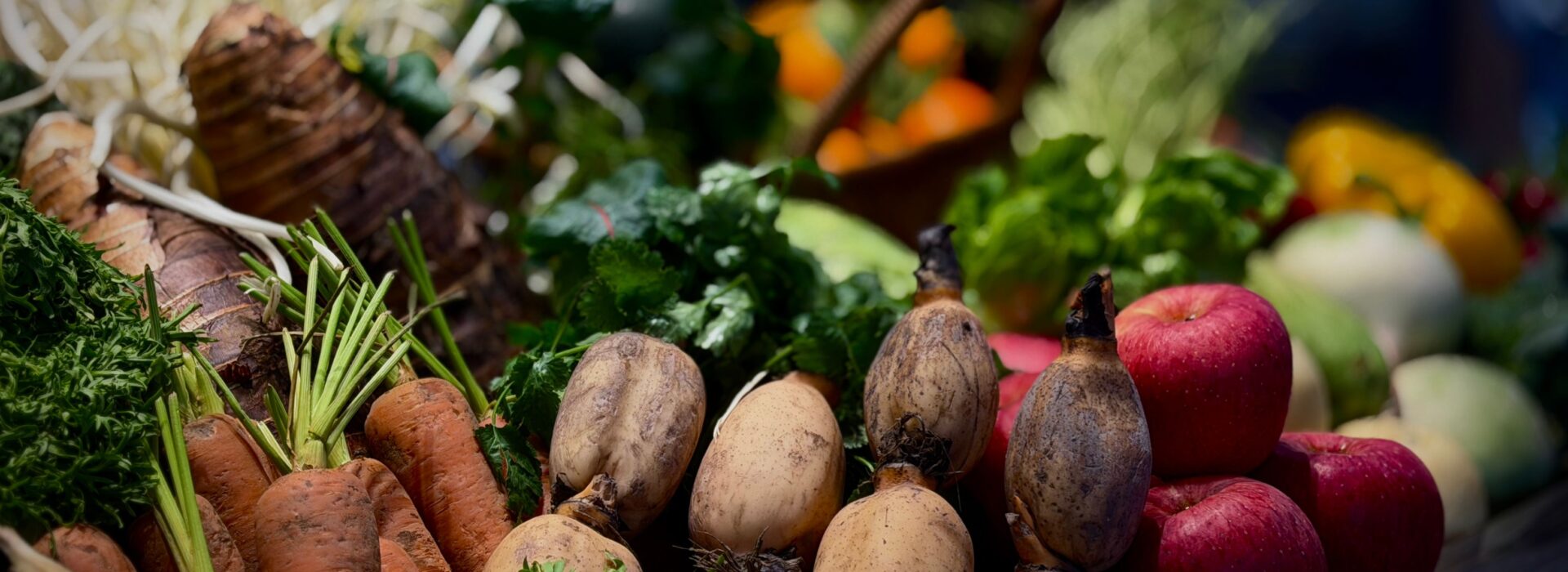
Choosing organic reliably and measurably cuts your dietary pesticide exposure, often sharply, as feeding trials and biomonitoring studies consistently show — when people switch to an organic diet, the pesticide metabolites in their bodies drop within days. Organic produce also tends to carry lower levels of the toxic metal cadmium and higher concentrations of beneficial antioxidants and polyphenols, the plant compounds linked to reduced risk of cardiovascular and other chronic diseases.
For children and pregnant women especially — the groups most vulnerable to chemical exposure — that precautionary benefit is reason enough on its own. And a growing body of research now associates organic diets with lower rates of obesity and better metabolic markers. Researchers are still working to pin down the long-term disease outcomes, but the direction of the evidence, combined with everything we already know about the harms of pesticide exposure, makes organic a sound and forward-looking choice for anyone who can access it.
Organic is also a vote for the whole system that produces it: soils built up rather than depleted, waterways spared chemical runoff, farmworkers spared the heaviest exposures, and biodiversity given room to recover. When you choose organic, you are buying food that is better for your body and for the living world it came from.
Part Two — Eat Fresh: Protecting Pollinators and Eating Local
The pollinator crisis — and why it matters on your plate
Roughly three-quarters of the world’s leading food crops depend to some degree on animal pollination, and wild bees and other insects underpin a significant share of global food production. Many pollinator populations are in documented decline across Europe and North America, with habitat loss, disease, climate change and pesticides all implicated.
On one class of chemicals, the evidence is now substantial: neonicotinoids, among the world’s most widely used insecticides. Applied as seed coatings, they are taken up systemically by the whole plant, appearing in the pollen and nectar that bees feed on. A large body of field and laboratory work shows that even sub-lethal, field-realistic doses impair bees’ learning, memory, navigation, immune function and foraging. A study using 18 years of English wild-bee data linked neonicotinoid use to higher local extinction rates, and a 2024 US analysis connected pesticide use to declines in wild bee distributions. The European Union restricted the main neonicotinoids on outdoor crops in 2018 on exactly this basis.
Organic farming, which prohibits these synthetic insecticides, is one of the most direct ways to give pollinators a refuge — and organically managed land consistently supports more abundant and diverse bee and insect populations. Every organic field is, in effect, a sanctuary for the creatures our food supply depends on.
Eat fresh, eat local
Eating fresh and local is a natural companion to eating organic. Food grown close to home and picked in season is fresher, often more flavourful and more nutrient-rich, and it sidesteps the most carbon-intensive corner of the food system — highly perishable produce flown by air freight, which can emit dozens of times more than food moved by ship or grown nearby.
Just as importantly, eating local rebuilds the broken link between the city and the countryside that feeds it. It shortens fragile supply chains, keeps money circulating in regional farm economies, and lets you know the people who grow your food and how they grow it. A short, transparent supply chain is one you can trust — and one that makes it far easier to choose food grown safely and sustainably. Buying from nearby farms, farmers’ markets, and community-supported agriculture schemes, or growing your own in a garden, balcony or terrace, all move food and eater closer together. That closeness is the foundation of a food system you can actually see, understand, and hold to account.
Part Three — Eat Fair: The Broken Economics of the Plate
The case for changing how we eat is not only about health and ecology. It is about justice — and here the data are unambiguous.
Consider a simple question: of every dollar (or euro, or rupee) you spend on food, how much reaches the person who actually grew it?
The answer, worldwide, is startlingly little. A cross-country study spanning 61 nations and about 90% of the global economy found that farmers receive, on average, around 27% of what consumers spend on food eaten at home — and a far smaller share of food eaten out. That figure falls as countries get richer, because more and more value is added after the farm gate, in processing, packaging, branding, logistics, retail and food service. In the United States, the farmer’s share of the food dollar has drifted down to under 12 cents on the dollar in recent years; after covering their own costs, farmers and ranchers together keep only a handful of cents of every dollar spent.
The mechanism is the same everywhere. Farmers are price-takers: they sell undifferentiated commodities into competitive global markets, with little power over the price they get, while their costs — fuel, fertiliser, seed, equipment, labour — keep climbing. The economic value is captured downstream, by the branded, processed, marketed products at the end of the chain. When you pay a premium for a bag of chips or a box of cereal, almost none of that premium flows back to the field.
At the sharpest end, this economic squeeze becomes a human catastrophe. In India, the National Crime Records Bureau has documented well over 300,000 farmer suicides since the mid-1990s, a crisis widely linked to debt, crop failure, input costs and collapsing margins. But distress in farming is not an Indian phenomenon. Farmer mental-health crises, waves of bankruptcies, and mass protests over unremunerative prices have surfaced across the United States, and in France, India, the Netherlands, Germany, Poland and beyond in the 2020s — different countries, the same underlying arithmetic of people doing highly skilled, essential work for returns that don’t cover its cost.
And it is highly skilled work. A farmer is at once a soil manager, a plant breeder, a water engineer, a pest strategist and a small-business owner exposed to weather and markets no office worker would tolerate. A food system in which the people who feed everyone else earn a fraction of a fair wage is not merely inefficient — it is unjust. And it is self-defeating, because these are the very people we are asking to steward the soil, protect biodiversity and adopt more sustainable methods. You cannot ask people on the edge of ruin to invest in the long term.
This is where eating organic and local closes the circle. A direct link to your farmer — through markets, cooperatives, box schemes and fair-trade channels — means more of what you pay reaches the field, cuts out the middlemen who capture most of the value, and gives farmers the security to grow food the right way. Paying a fair price for good food is not a cost. It is an investment in the health of the soil, the grower, and yourself.
Become a Food Smart Citizen
The threads all pull together. Organic protects your body from a needless chemical burden and shelters the pollinators and soils our food depends on. Fresh and local means real, whole food, shorter and more trustworthy supply chains, and a living connection to the countryside. Fair means the people who feed us can afford to keep doing it — and to do it well.
These are not separate causes. Soil health, human health, ecological health and economic justice are one system, and a way of eating that honours all four is within reach of anyone who chooses it. Choose organic where you can. Eat fresh and in season. Buy direct from the people who grow your food, and pay them fairly. Grow something yourself if you have a patch of earth, a terrace, or even a balcony.
To eat well is to eat with awareness of where food comes from, who grew it, and what it cost them and the planet to reach your plate. That is a form of citizenship — and it is the foundation of a food system that is healthy, green and fair.
Sources and further reading
Disease burden
- International Diabetes Federation, IDF Diabetes Atlas, 11th edition (2025) — 589 million adults with diabetes in 2024; projection to 853 million by 2050.
- IARC / WHO, Global Cancer Statistics (GLOBOCAN) 2022 and 2024 updates, CA: A Cancer Journal for Clinicians — ~20 million new cases/year, projection to ~35 million by 2050.
- Levine et al. (2022), “Temporal trends in sperm count,” Human Reproduction Update — >50% decline 1973–2018.
Diet and processing
- Lane et al. (2024), “Ultra-processed food exposure and adverse health outcomes: umbrella review,” BMJ 384:e077310.
- Multiple 2024 umbrella reviews on UPFs and metabolic disease (Frontiers in Nutrition; Nordic Nutrition Recommendations scoping review).
Pesticides and endocrine disruptors
- Shekhar et al. (2024), “A systematic review of pesticide exposure… long-term human health impacts,” Toxicology Reports.
- “Pesticides, an urgent challenge to global environmental health and planetary boundaries,” Frontiers in Toxicology (2025).
- Reviews and meta-analyses on persistent organic pollutants (POPs) and type 2 diabetes (e.g., Nurses’ Health Study analysis; dioxin/DL-PCB meta-analysis).
- WHO estimates on acute pesticide poisoning burden, concentrated in developing countries.
Organic food
- Systematic reviews in Nutrition Reviews (2024) and Nutrients (2020) — reduced pesticide and cadmium exposure, higher antioxidant content, and associations with lower obesity and improved metabolic markers.
- Barański et al. (2014), British Journal of Nutrition — higher antioxidant and lower cadmium/pesticide levels in organic crops.
Pollinators
- Woodcock et al. and related work in Nature Communications / Nature Sustainability (2016–2024) on neonicotinoids and wild-bee declines; EU restrictions (2018).
Food, freshness and emissions
- Li et al. (2022), “Global food-miles account for nearly 20% of total food-systems emissions,” Nature Food.
- Research on air-freighted perishables as a disproportionate source of transport emissions.
Farm economics
- Yi et al. (2021), “Post-farmgate food value chains…,” Nature Food — farmers receive ~27% of at-home food spending globally.
- USDA Economic Research Service, Food Dollar Series — US farm share under 12 cents/dollar.
- India National Crime Records Bureau — farmer suicide data (300,000+ since 1995).